
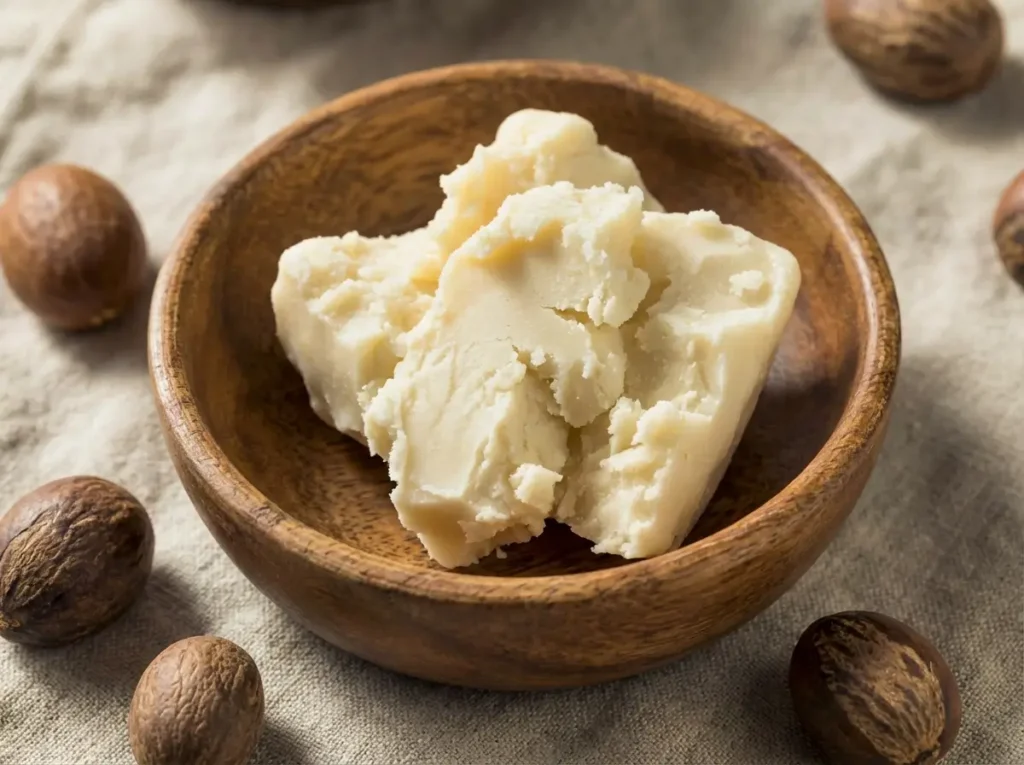
Shea Butter Guide: Choosing the Right Grade
Shea butter is one of the most requested ingredients in skincare and haircare because it helps soften dry skin, support the moisture barrier, and improve overall conditioning. For store owners, resellers, and brands, the real challenge isn’t whether shea butter sells—it’s which type to stock and how to explain the difference to customers in a simple, confident way.
This guide breaks down the key buying decisions: unrefined vs refined, quality signs, common customer questions, and ethical sourcing—so you can choose the right shea butter for your market.
Why customers love shea butter
People buy shea butter because it’s:
- Deeply moisturizing (great for dry skin, elbows, knees, heels)
- Gentle for many skin types (often used in sensitive-skin routines)
- Multipurpose (body, lips, hair, cuticles, and blends)
That “all-in-one” value is exactly why it performs well in retail: customers can use it straight or mix it with oils, sugar scrubs, soaps, and lotions.
Unrefined vs refined shea butter: what to stock (and for whom)
Unrefined (raw) shea butter
Best for: customers who want natural skincare and don’t mind scent.
Typical features:
- Ivory to yellow color
- Natural nutty/earthy aroma
- Texture can vary by season or batch
How it sells:
Unrefined shea is ideal for customers searching for “raw,” “natural,” “traditional,” and DIY beauty.
Refined shea butter
Best for: customers who want neutral smell and consistent texture.
Typical features:
- White or pale color
- Little to no odor
- More uniform and easy to formulate
How it sells:
Refined is great for shoppers who want a clean, simple moisturizer—and for brands making products where scent consistency matters (lotions, whipped butters, lip balms).
Smart strategy: Offer both. Many stores sell refined as the “daily” option and unrefined as the “natural/raw” option.
Quality checklist: what to look for when buying shea butter wholesale
When comparing suppliers, focus on these quality indicators:
1) Smell (important!)
- Unrefined: should smell naturally nutty/earthy (not burnt or chemical)
- Refined: should be neutral (no strong odor)
2) Texture
Shea butter can become grainy if it melts and re-hardens incorrectly. That doesn’t always mean it’s bad—often it can be fixed by proper melting/tempering—but customers may prefer a smoother texture.
3) Color consistency
- Unrefined color can vary (normal)
- Refined should be more consistent across batches
4) Packaging and storage
Shea butter quality depends a lot on handling:
- Keep away from heat and direct sun
- Store sealed to prevent odor change over time
- Use clean tools to avoid contamination
Common customer questions (and how to answer them)
“Can I use shea butter on my face?”
Yes, many people do—but it’s richer than a light facial moisturizer. Suggest a small patch test, especially for acne-prone skin.
“Is shea butter good for eczema or very dry skin?”
Many customers with very dry or sensitive skin use shea butter because it seals moisture well. A safe recommendation is: fragrance-free options and patch testing.
“Which is better: refined or unrefined?”
Neither is “better” for everyone:
- Unrefined = natural scent + raw appeal
- Refined = neutral + consistent + easier for daily use
Ethical sourcing: a real selling advantage
A lot of customers want to buy products that have a positive impact. Shea is traditionally produced across West Africa, and ethical supply chains often support local communities and women-led collection and processing.
If your supplier offers proof of ethical sourcing (cooperative partnerships, traceability, fair-trade practices), highlight that on your product page. It can be a major differentiator, especially for natural skincare buyers.
How to position shea butter in your store (easy sales angles)
Here are a few simple ways to market it:
- “Moisture for dry seasons” (winter, dry climates)
- “DIY beauty essential” (whipped body butter, lip balm, hair sealant)
- “Simple ingredient, big results” (minimalist skincare trend)
- Bundles: pair shea butter with coconut oil, castor oil, vitamin E, or essential oils (where appropriate)
Final takeaway
If your customers want natural scent and raw skincare, stock unrefined shea butter.
If they want neutral, consistent, everyday use, stock refined shea butter.
The best approach for most stores is to carry both—and guide customers using simple language: raw vs neutral, traditional vs consistent.
Links
- Shop the Shea Butter Collection
- Read More Blogs